Catnip and catmint are not two names for the same plant. They are cousins in the genus Nepeta, both mints, and garden centres swap the labels often enough that people plant the ornamental one and then wonder why the cat is unmoved.
Catnip is Nepeta cataria. That is the one with the oil. Catmint is usually Nepeta × faassenii or Nepeta mussinii, bred for a mound of purple flowers. Most cats will give catmint a sniff and move on.
If you want a reaction, buy catnip. If you want a border, buy catmint. Trying to get both from one plant is how you end up with a weedy corner and a bored cat.
Catnip, the one for cats
Catnip is grown for nepetalactone, which sits in the leaves and stems and sets off about two in three cats. It is not grown for looks.
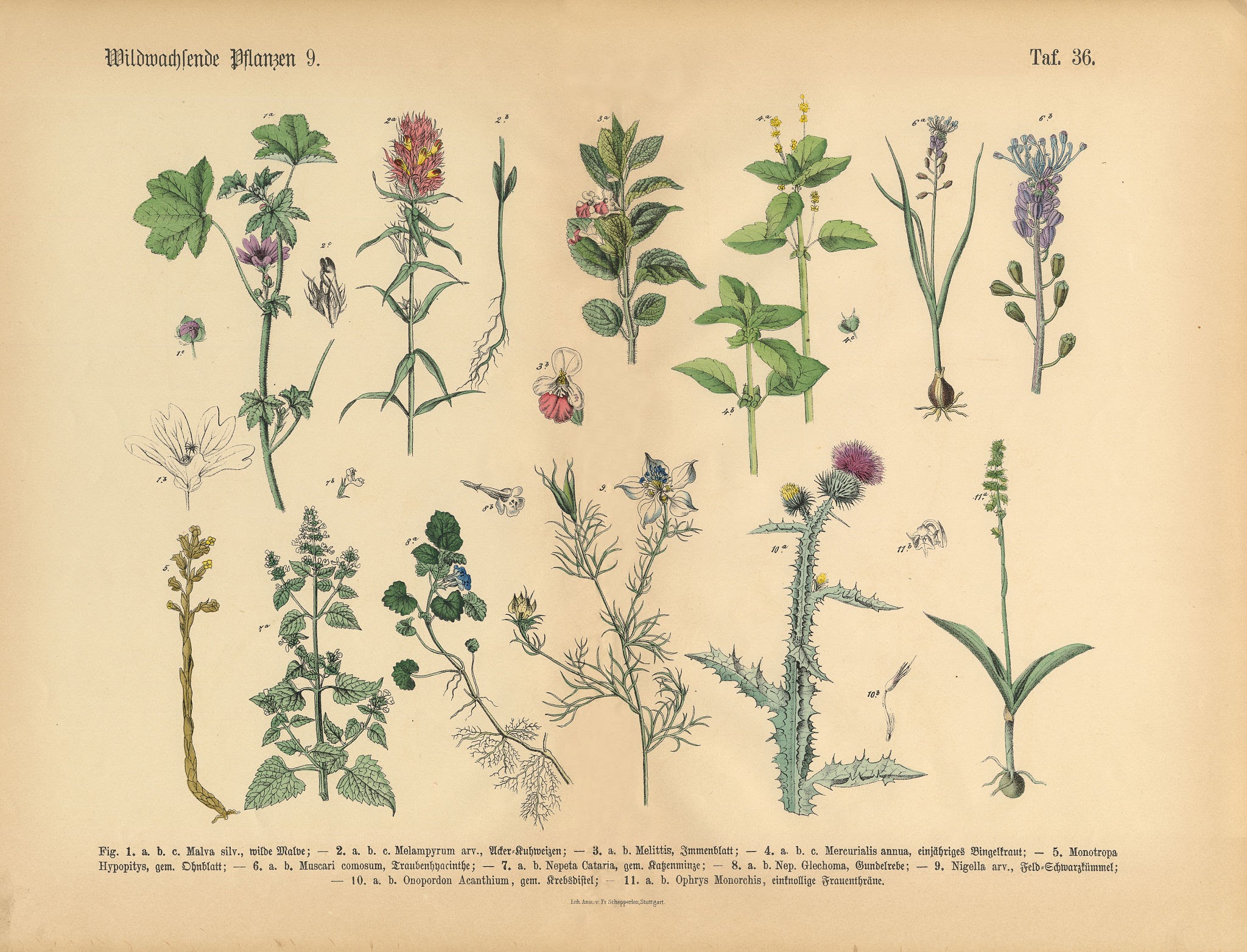
- Coarse, heart-shaped green leaves with jagged edges
- Small, dull white or pale lilac flowers in late summer
- An upright, slightly leggy habit, up to about a metre
- Seeds freely, and spreads by runners
After a cat has rolled in it, or after a few weeks of growth, it looks like a mint that nobody has pinched. That is fine. Its job is chemical.
Catmint, the one for the border
Catmint is the ornamental side of the genus. It does contain some nepetalactone, but not enough to matter for most cats. 'Walker's Low' is the variety you see everywhere: a low mound, grey-green leaves, lavender-blue spikes from late spring, bees all over it.
- Small, silvery, slightly fuzzy leaves
- Proper flower spikes, purple or blue, and a long season
- A neat mound, usually 30 to 45cm, depending on the cultivar
- Most of the popular hybrids are sterile, so they stay where you put them
Shear it by half after the first flush and it will flower again. That is the maintenance. Catnip, by contrast, you cut for drying, not for shape.
Side by side
| Feature | Catnip (N. cataria) | Catmint (N. × faassenii) |
|---|---|---|
| Job | Feline play, and tea if you grow it clean | Borders, pollinators, a long purple season |
| Flowers | Small, off-white to pale lilac | Strong purple, blue, or lavender |
| Leaves | Bright green, jagged, coarse | Silvery-grey, small, soft |
| Cat reaction | High, in about two in three cats | Mild interest, or none |
| Spread | Seeds and runners, can take over | Most hybrids stay put |
Both want full sun and well-drained soil. Both are drought-tolerant once established and deer usually leave them alone. The growing conditions do not help you tell them apart. The flowers and the cat do.
Which to plant
Plant catnip in a pot, or behind a barrier, and harvest at first bloom if you want leaf for toys and pinches. Do not plant it as a focal point. It will not repay you visually, and the cat will flatten it.
Plant catmint at the front of a border if you want a long season of colour and something that behaves. Do not expect it to replace catnip. If a nursery tag says "catmint" and shows a sea of purple, it is not the plant in the toy.
For the cat, the plant only matters as oil in something they can hold. Homegrown N. cataria is useful for topping up a cotton toy and for a pinch on a cardboard scratcher. A toy already filled with catnip buds, and Silver Vine for the cats that catnip misses, is the version that does not depend on your harvest.
That is Le Croissant: at least 30g of organic catnip buds and Silver Vine fruit in reinforced OEKO-TEX cotton, hand-stitched in the South of France. Grow catmint for the bees. Grow catnip if you like having a jar of it. Do not ask the purple one to do the cat's job.